


Broken Denture
Dentures play an important role in restoring your smile, speech, and ability to chew comfortably. However, dentures can sometimes crack, break, loosen, or become damaged due to everyday wear, accidental drops, or changes in the mouth over time.
A broken denture can affect your confidence and oral function, making it difficult to eat or speak properly. At our clinic, we provide prompt denture assessment, repair, and replacement solutions to help restore comfort and functionality quickly.
What Are Dentures?
Dentures are removable dental appliances designed to replace missing teeth and surrounding tissues. They may be:
- Complete dentures – replacing all teeth in the upper or lower jaw
- Partial dentures – replacing a few missing teeth
- Implant-supported dentures – secured using dental implants for improved stability
Modern dentures are designed for comfort, aesthetics, and natural function.
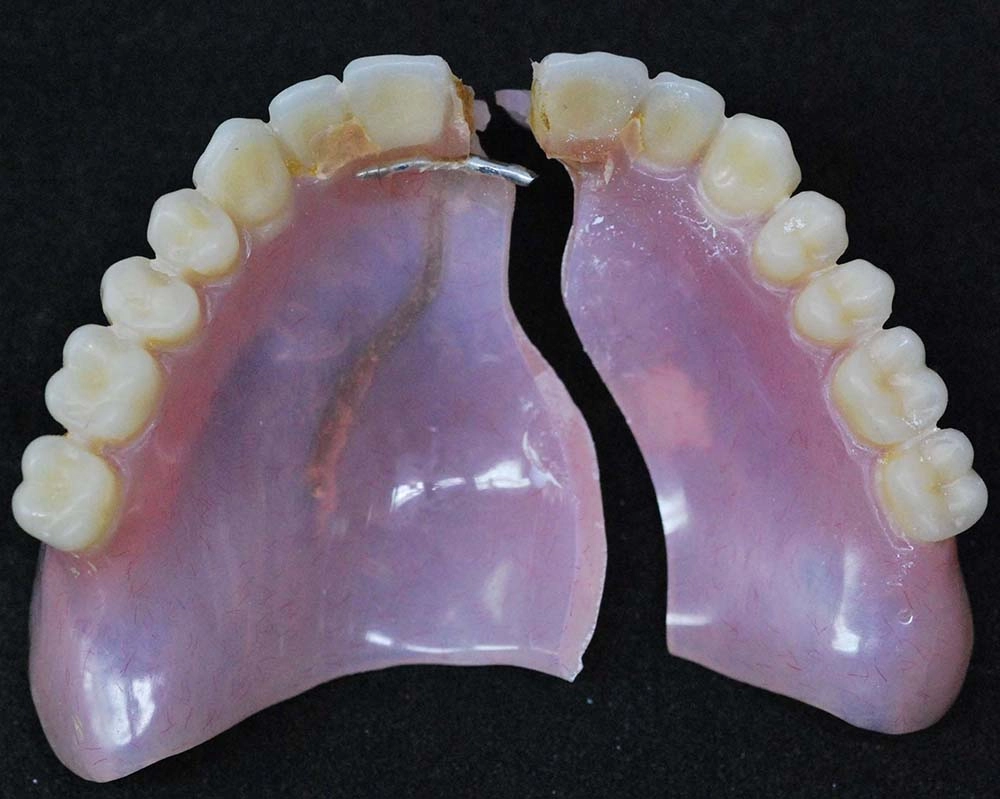
What Is a Broken Denture?
A broken denture refers to any damage affecting the denture structure or fit, including:
- Cracks in the denture base
- Fractured denture teeth
- Broken clasps
- Loose or ill-fitting dentures
- Split or snapped dentures
- Damaged implant attachments
Even minor damage can worsen if left untreated.
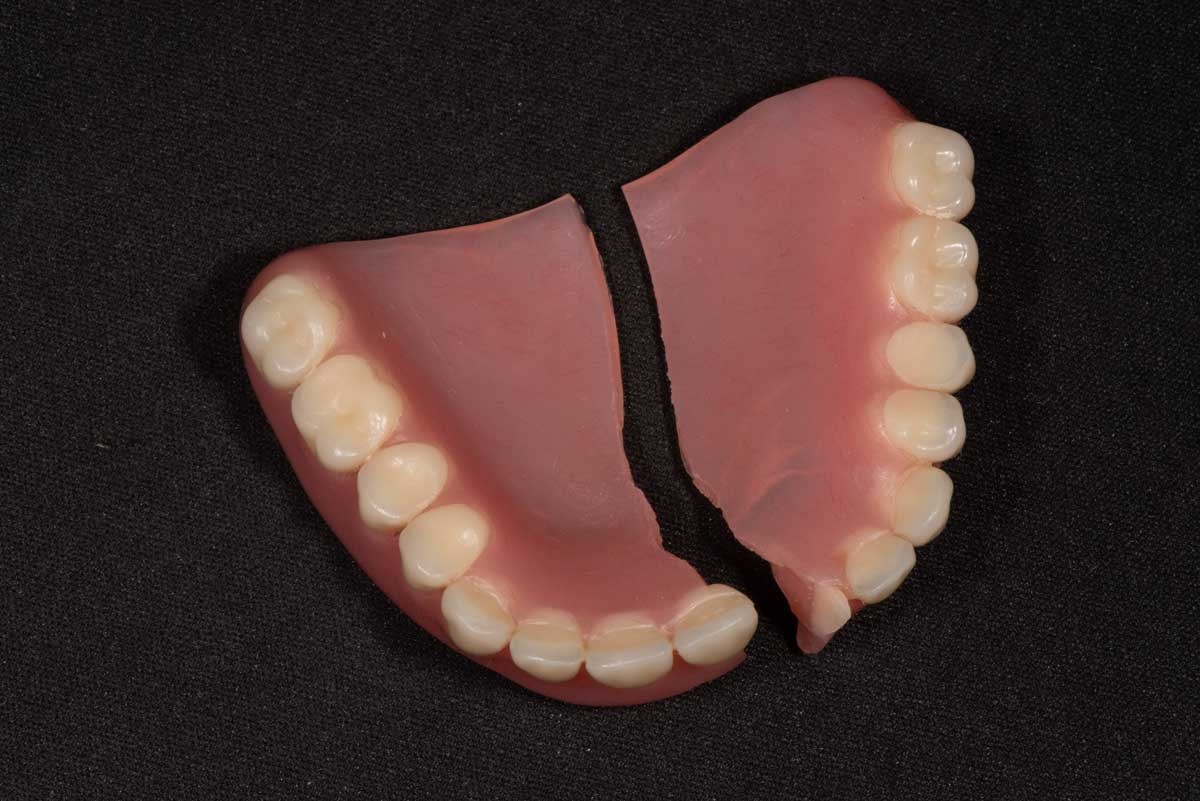
Common Causes of Broken Dentures
1. Accidental DroppingDentures can fracture easily if dropped onto hard surfaces such as bathroom tiles or sinks.
2. Normal Wear and TearOver time, repeated chewing forces can weaken denture materials.
3. Poor FitLoose dentures place uneven pressure on the appliance, increasing the risk of fractures.
4. Teeth Grinding (Bruxism)Grinding or clenching can place excessive stress on dentures.
5. Changes in Jawbone and GumsBone shrinkage after tooth loss can alter denture fit and stability.
6. Biting Hard FoodsChewing hard foods such as nuts, ice, or hard candy may crack dentures.
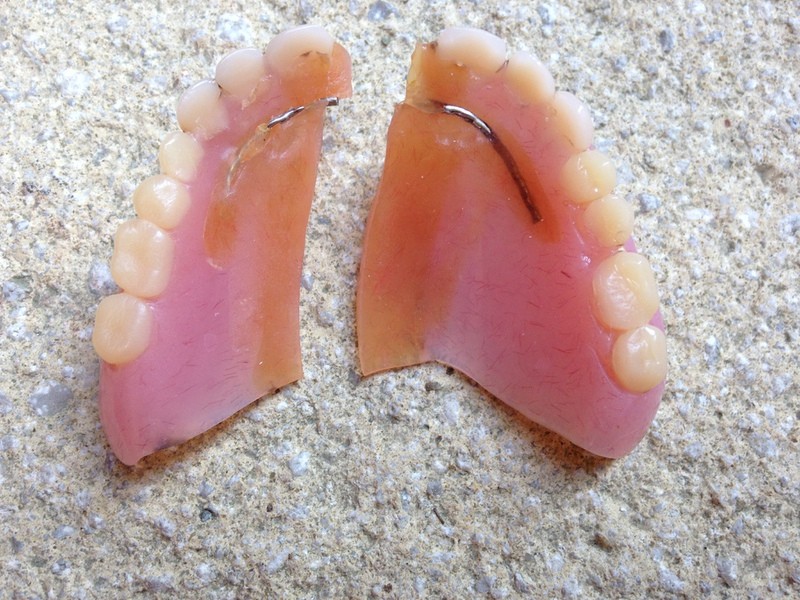
Symptoms of Damaged Dentures
You may notice:
- Visible cracks or fractures
- Difficulty chewing
- Loose or unstable dentures
- Mouth sores or irritation
- Clicking sounds while speaking
- Sharp edges causing discomfort
- Broken denture teeth
- Changes in speech
If ignored, damaged dentures can affect oral tissues and overall comfort.
Why Prompt Denture Repair Matters
Using broken dentures may lead to:
- Gum irritation and ulcers
- Difficulty eating and speaking
- Jaw discomfort
- Poor facial support
- Further denture damage
- Increased repair costs later
Professional evaluation helps prevent complications and restores proper function.
Management of Broken Dentures
Treatment depends on the type and extent of damage.
1. Professional Denture RepairMinor cracks, fractures, or broken teeth can often be repaired in a dental laboratory.
Repair options may include:
- Rejoining cracked denture bases
- Replacing damaged denture teeth
- Repairing clasps
- Strengthening weak areas
Professional repairs restore both function and appearance.
2. Denture ReliningIf dentures become loose due to gum or bone changes, relining may improve the fit by reshaping the inner surface of the denture.
Benefits include:
- Improved comfort
- Better stability
- Reduced sore spots
- Enhanced chewing efficiency
When the denture teeth remain in good condition but the base is damaged or worn, rebasing may be recommended.
This involves replacing the denture base while preserving the existing teeth.
4. Denture ReplacementIn cases of severe fractures, repeated repairs, or old worn-out dentures, a completely new denture may be the best solution.
Modern dentures offer:
- Improved aesthetics
- Better comfort
- Enhanced stability
- More natural speech and chewing
For implant dentures, attachments or clips may wear over time and require adjustment or replacement to maintain proper retention.
What NOT to Do with Broken Dentures
Avoid attempting home repairs using:
- Super glue
- Household adhesives
- DIY repair kits without dental supervision
Improper repairs can:
- Distort the denture fit
- Damage oral tissues
- Make professional repair more difficult
- Introduce harmful chemicals into the mouth
Always seek professional dental care for denture repairs.
How to Prevent Denture Damage
You can help extend the lifespan of your dentures by:
- Handling dentures carefully
- Cleaning them over a soft towel or water-filled sink
- Avoiding hard or sticky foods
- Removing dentures at night if advised
- Keeping dentures dry when not in use
- Attending regular dental check-ups
- Having dentures adjusted when they become loose
Proper maintenance improves both durability and comfort.
When Should You See a Dentist?
Contact your dentist if you experience:
- Cracked or broken dentures
- Loose-fitting dentures
- Mouth sores caused by dentures
- Difficulty eating or speaking
- Broken clasps or denture teeth
- Pain or jaw discomfort
Early treatment can often prevent more extensive repairs or replacement.
Restore Comfort and Confidence with Expert Denture Care
Our clinic provides professional denture repair, relining, replacement, and implant denture maintenance using high-quality materials and modern techniques.
We focus on restoring comfort, appearance, and function so you can smile, speak, and eat confidently again.
Book your denture consultation today and let us help restore your smile and comfort.